

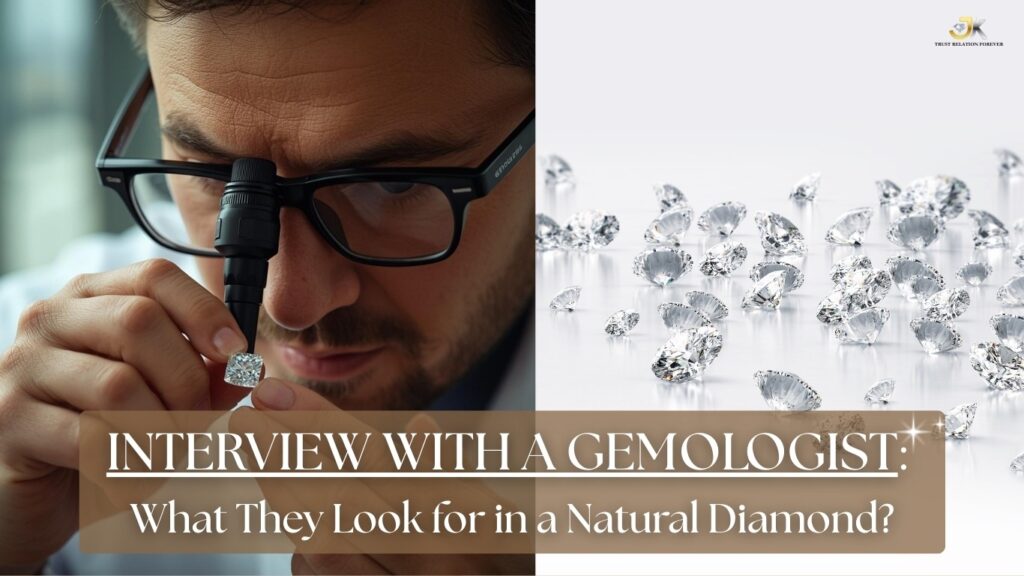
Ever wondered what goes on behind the loupe of a professional gemologist when they evaluate a natural diamond? It’s far more than just a quick glance! We sat down with [Gemologist’s Name/Title, e.g., Sarah Chen, Certified Gemologist Appraiser] to get an insider’s perspective on the crucial factors they assess when determining a diamond’s quality and value.
Beyond the 4Cs: A Holistic Approach
While the renowned 4Cs (Carat, Cut, Color, Clarity) form the bedrock of diamond grading, [Gemologist’s Name] emphasizes that a true gemologist looks for nuances that go beyond these basic parameters.
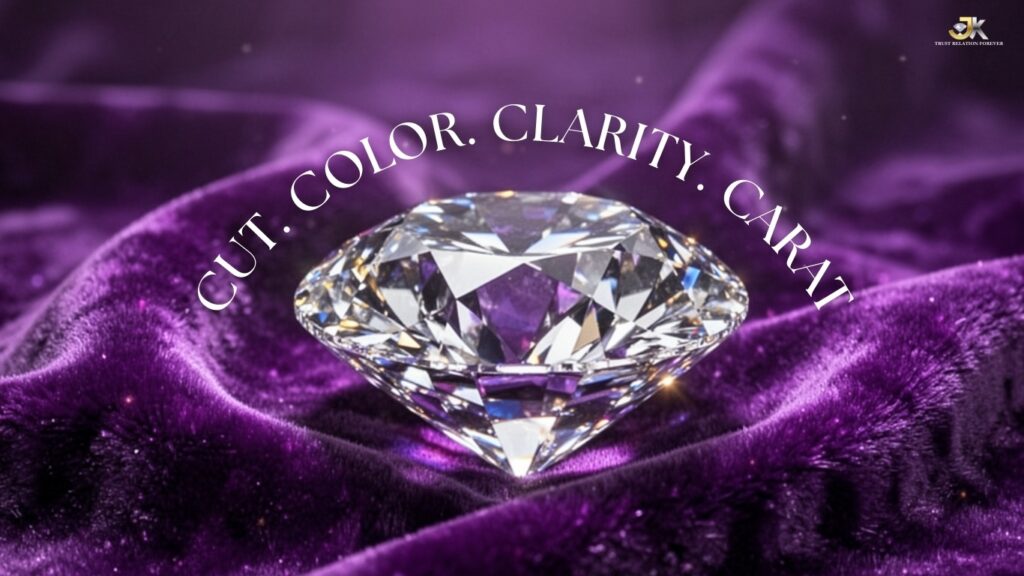
1. Cut: The King of Sparkle (and Precision)
“Cut is paramount,” says [Gemologist’s Name]. “It’s not just about the shape, but how well the diamond’s facets interact with light.” They meticulously examine: Proportions: The angles and relative measurements of the facets. Are they optimized for brilliance, fire, and scintillation? Symmetry: How precisely the facets align and meet. Polish: The smoothness of the facet surfaces, which impacts light reflection. They might use specialized tools to analyze light performance, looking for a lively dance of light rather than dullness.
2. Color: The Absence of It (Usually)
For most natural diamonds, the goal is the absence of color. “[We’re looking for] how close it gets to being truly colorless,” [he/she] explains. However, they also differentiate between: Subtle Hues: Even faint yellow or brown tints can significantly impact value. Fluorescence: While sometimes considered a negative, certain levels of blue fluorescence can actually make a yellowish diamond appear whiter. A gemologist assesses its impact on overall appearance.
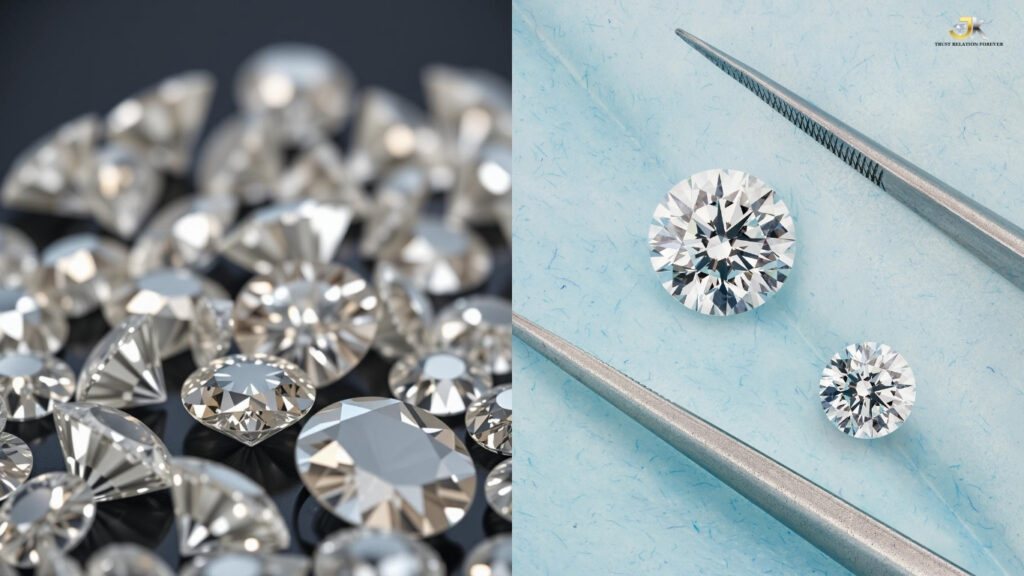
3. Clarity: Nature’s Fingerprint
“Clarity tells a story,”Notes [Gemologist’s Name]. “While we grade based on the absence of inclusions and blemishes, we also consider their nature, location, size, and number.” Are the inclusions visible to the naked eye? Are they deep within the stone or close to the surface where they might pose a durability risk? Are they black carbon spots or more ethereal ‘feathers’ or ‘clouds’? They use magnification (typically 10x) to pinpoint these unique internal characteristics.
4. Carat: Weight, Not Size (Exactly)
While carat refers to weight, a gemologist also considers how that weight translates to physical size and overall aesthetic. “A well-cut diamond can appear larger than a poorly cut one of the same carat weights,” [he/she] points out.
Beyond the Basics: Intangibles and Integrity
Finally, [Gemologist’s Name] stresses the importance of: Transparency and Luster: The overall ability of the diamond to transmit and reflect light. Durability: Assessing any potential weaknesses that could lead to chipping or damage. Treatment Detection: Identifying if the diamond has undergone any artificial enhancements (e.g., HPHT, fracture filling), which must always be disclosed. Ethical Sourcing: While not a direct quality factor, a reputable gemologist will often inquire about the diamond’s origin and ethical journey.
In essence, a gemologist’s evaluation is a blend of scientific precision and trained artistic appreciation, ensuring that each natural diamond’s unique beauty and value are accurately recognized.
Stay updated on the latest JK Sons postings by following us on Instagram.
https://www.instagram.com/j_ksons/
https://x.com/jksonsdiamond?t=a4_K1Uej1BwNCXt63jmEMw&s=08
https://www.youtube.com/@JKSons-q4x
https://www.facebook.com/share/19fYjZtEZf/
https://www.linkedin.com/in/jk-sons-a8005832b?utm_source=share&utm_campaign=share_via&utm_content=profile&utm_medium=android_app